
Price: N/A
Publisher:
Genre: Crime adventure, Verse novel
Age Range: 14+ Secondary/Adult
Length: 416pp
Buy the Book
Gone For Good
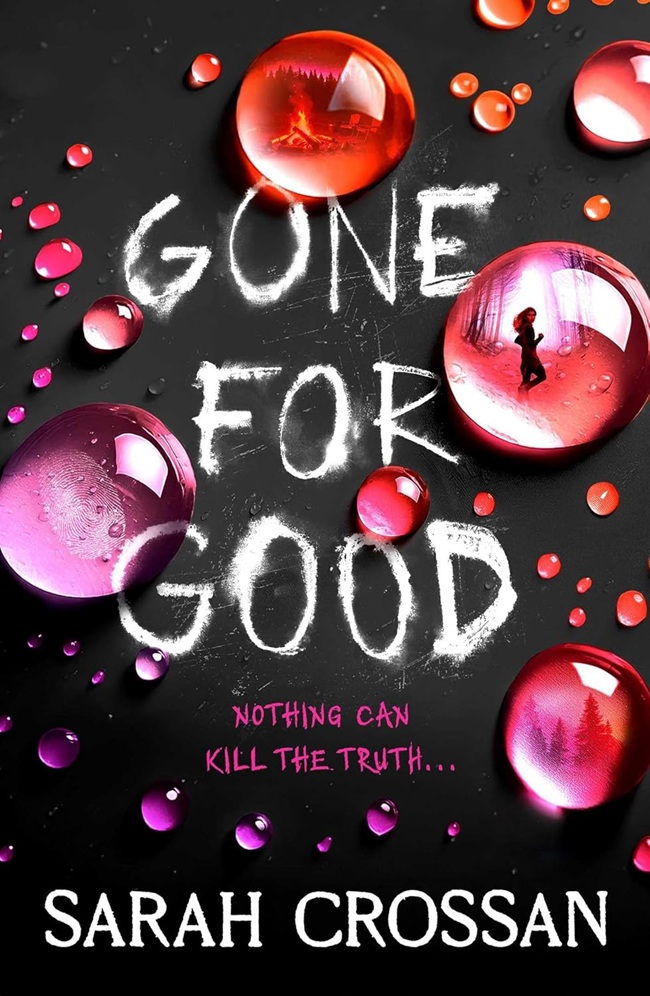
One has come to expect the very best when picking up a new novel from the Carnegie medal winning Sarah Crossan, and despite moving into a very different genre, Gone for Good certainly lives up to expectations. She has proved herself an absolute master of the verse novel, but it was a surprise to see this writing style employed for a twisty and tense YA thriller. Yet it may well attract new readers to this format, since the title, premise and cover will ensure that it is picked up by fans of the ‘missing girl’ thriller as typified by authors like Holly Jackson, Kathleen Glasgow et al, and they will find the way the verse propels you immediately into the action, quite simply breathtaking, and the novel very hard to put down. There are two narrative voices telling this tale and we hear from Belle first, in a very sinister poem, which does not give us much hope for her future. We then jump to Connie, and her first-person narrative enables the reader to mainline the experience of a brutal kidnapping in the middle of the night. We share her fear and confusion about what is happening to her as she is conveyed to Silver Lake, a high-security facility for ‘troubled’ teens, where a brutal regime aims to improve their behaviour. Since losing her mother, Connie has indeed been troubled and unable to process her anger and grief, but she cannot believe that her family chose this regime for her. When she learns she’s been given the bed of a missing girl named Belle, she soon realises that something is very badly wrong at Silver Lake. While we only have Connie’s view of the other young people, their stories add to a shocking glimpse into the darker side of the sort of teen behaviour management therapy camps which seem to be flourishing in America. As readers we can empathise with her determination not just to survive and get out, but to uncover all the secrets and lies. The interspersed sections from Belle, revealing a little more each time, really ramp up the tension. It would not be a successful high stakes thriller without a lot of expertly timed twists and turns and red herrings, which certainly make for compulsive reading. But while the mystery is inherently satisfying to the readers, it is the deep emotional impact of the characterisation, facilitated by the verse structure, and the nuanced portrayal of grief and how different people cope with adversity, that make this another unforgettable Sarah Crossan triumph.


