
Price: N/A
Publisher:
Genre:
Age Range: Under 5s Pre-School/Nursery/Infant
Length: 40pp
Buy the Book
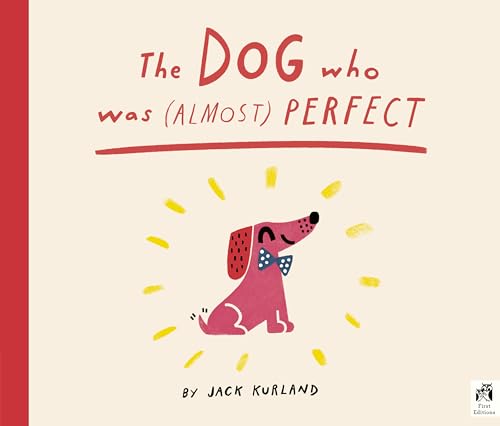
The Dog Who Was (Almost) Perfect
Some children carry the exhausting suspicion that being good means getting everything right. Doris, our wonderfully eager canine protagonist in Kurland’s latest picturebook, appears to have perfected the art. She can fetch, swim, skateboard, wake Bill at precisely the right moment and even retrieve his slippers. Doris is, by almost every measure available to her, the perfect dog.
Until one morning, she discovers a hole in Bill’s favourite slipper.
What follows captures something recognisable about childhood catastrophising. Doris does not simply imagine that Bill might be cross; one mistake seems capable of overturning everything she understands about herself. She hides the evidence and runs away. Kurland’s sequential vignettes and dynamic motion are particularly effective here, giving Doris’s escalating panic an immediacy that feels funny and genuinely tender.
It is away from home that the story finds its most interesting idea. Doris encounters other dogs and gradually discovers that imperfection might actually be something they share. One has buried slippers, another stolen sausages; misdemeanours escalate with gleeful absurdity until Doris’s supposedly terrible act seems almost reassuringly ordinary. Perfection has made Doris exceptional, but imperfection brings her into a community.
When she eventually returns, Bill offers the reassurance she has been unable to give herself: mistakes happen, perfection was never required and love has not disappeared because something has gone wrong. It is a warm and important message, although the final visual joke complicates it deliciously. Doris cannot remember chewing the slipper because, as observant readers discover, perhaps she never did. For prior Kurland readers, a familiar-looking cat has been quietly conducting another story altogether.
That twist will undoubtedly delight children, even if it slightly softens the more interesting emotional possibility the story has opened: Doris learning to live with having genuinely got something wrong. Nevertheless, Kurland creates a funny and affectionate exploration of the pressure to be good, reminding young readers that belonging need not depend upon flawless performance.


