
Price: N/A
Publisher:
Genre: ghost story
Age Range: 10-14 Middle/Secondary
Length: 288pp
Buy the Book
The Haunting of Old Splinter
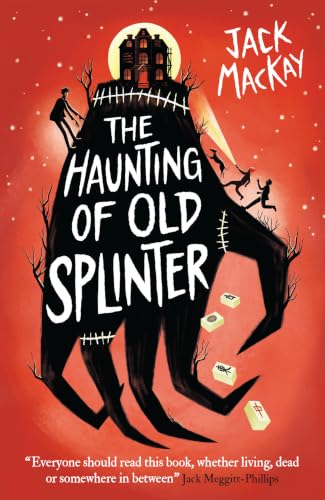
Jack Mackay’s follow-up to his Branford Boase-shortlisted debut Gloam once again delivers a mix of genuinely terrifying horror with real emotional tenderness and wisdom. The Haunting of Old Splinter follows half-brothers Peter and Adrian who live in the gardener’s cottage of Old Splinter, a derelict mansion owned by their wealthy Uncle Lawrence. The boys hear rumours about an ancient curse connected to a wishing claw buried at Old Splinter. After Peter makes a gruesome discovery, he and Adrian decide to hunt down the claw and use it to solve some of their problems. But they don’t realise that every wish comes with a cost, and the greater the wish, the greater the consequences.
Initially I wondered whether Mackay had toned down the horror slightly for his second novel – apart from a spot of ethical taxidermy and one dead body, things feel relatively tame for the first 100 pages or so, and they procure the claw without too much difficulty. However, everything escalates pretty quickly thereafter; I won’t give too much away but Mackay is not squeamish about killing off animals or humans, and treats us to a truly revolting revenant. This is proper horror – the sort that will make plenty of adults squirm but younger readers will love. The pacing is excellent and there is real jeopardy throughout.
Alongside this, Mackay shows that he is an astute observer of family dynamics and the emotional lives of children. Gloam featured both a female protagonist and a female antagonist, but here Mackay’s focus is very much on boys and men. Mackay really understands the complexities of modern blended families, particularly Peter’s uncertain relationships with his birth father Robert and his stepfather George. Peter is not sure whether either truly cares for him and grows used to ‘the silence of men who lacked the courage to say what they were thinking or simply had nothing at all to say. The silence of fathers.’
The one constant in Peter’s life is his bond with Adrian: ‘Bro Promises’ are sacrosanct – but even this is jeopardised by all the men who break their promises to Peter. As he reflects, ‘if the adults in his life could play so fast and loose with promises, then why shouldn’t he?’, only realising the destructive consequences of his own broken promises when it is too late. Ultimately, however, this is a redemptive novel which ends with a moving scene of family reconciliation and a long-deferred promise finally being honoured. This is therefore a book which will both frighten and comfort readers, and it deserves to be another popular read with older primary and younger secondary pupils.


