
Price: N/A
Publisher:
Genre:
Age Range: 14+ Secondary/Adult
Length: 336pp
Buy the Book
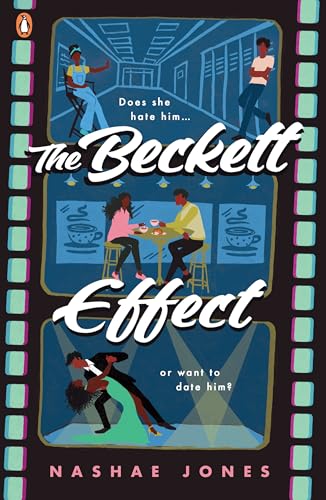
The Beckett Effect
Wren hates Beckett Lane. They played together when they were growing up but now his reputation for serial dating, disregard for his girlfriends’ feelings and arrogance about his father, Sloan, a minor player in the world of film, disgust her. The final straw comes when he publicly rejects the shy advances of Wren’s beloved younger sister, leaving her humiliated and distressed.
Wren vows revenge. She and her closest friend, Chelsie, have one ambition – to make their way into the world of film as directors. Their high school offers a film course with a chance to enter a prestigious festival which will get their work known. This comes hot on the heels of a discussion about the concept of redeemability of the Byronic hero and Wren decides that this will be the ideal opportunity to reveal the truth about the rumours surrounding Beckett’s betrayals and cold-hearted manipulation of relationships. Interviews are arranged with the young women at the heart of the rumours and filming begins.
A clever idea-but Wren’s character is insufficiently nuanced here and her thoughts and exchanges with Beckett give away rather too much about what is to come. Indeed, ‘The lady doth protest too much’ perfectly describes the language she uses.
It becomes clear too soon that Wren is, despite herself, attracted to Beckett’s stunning good looks, whilst repeatedly abhorring what appears to be his appalling behaviour. When the interviews for the film project begin and it becomes apparent that the rumours about Beckett were just that, Wren devises a clumsy plan of tricking him into a relationship with her so that she can gather first-hand evidence to substantiate her theory. This is where the narrative teeters on the edge of disbelief. Its cause is not helped by the overuse of ‘cute’ and an improbable number of eye rolls.
Their relationship develops rather too quickly to be wholly believable but their conversations are enlivened by quirky humour and as the truth about Beckett is revealed it becomes more plausible. Disaster strikes and they break up but there is always the intimation that this is not the end. Sure enough, a fairytale ending brings them back together, heals the seemingly insoluble rift between Wren and Kennedy, gives Kennedy a boyfriend and Chelsie and Wren a way into the film industry through Beckett’s father. This relentless layering strains reader credibility and weakens a narrative which, although it is not without merit, is stretched to the limit.


