
Price: N/A
Publisher:
Genre:
Age Range: 14+ Secondary/Adult
Length: 352pp
Buy the Book
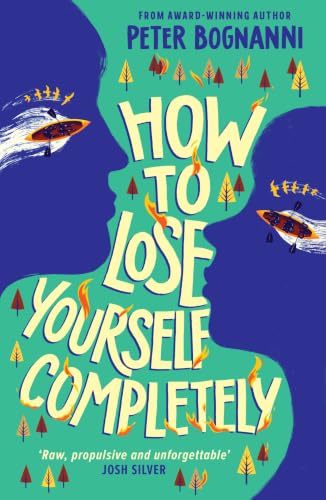
How to Lose Yourself Completely
Case is 16 years old and at the mercy of anxiety and depression. His elder brother Sean is the only person who understands the workings of his constantly worrying mind – but Sean is dead, killed jumping a red light on his bike – mown down in front of him. The shock was unbearable and plunged Case into a foment of guilt and loss.
In an attempt to lift Case’s spirits and give him tools with which to deal with his mental health his parents enrol him on an adventure therapy course, out in the wilderness with a guide and 4 other people, a narrative paean to cultural and sexual diversity and an exploration of differing mental health issues.
Bognanni quickly establishes the other characters, each, like Case, with their deep-seated problems, each wishing they were elsewhere and wanting nothing to do with the rest of the group. Then Silas, their guide and counsellor, deserts them after stealing all their medication. When he is found dead of an overdose they must now rely on each other to organise food, water and shelter and find their way to the food drop which will save their lives, all things which are completely beyond their mental and emotional capabilities.
With considerable skill and plausibility Bognanni creates belief in the reader about the family they feel their way into becoming. They begin to change, to confront their fears and face physical and emotional challenges, since the alternative is death. The dry wit which is threaded through the narrative acts as a balance to the extremes of their situation and dialogue feels authentic, drawing the reader into the characters’ mentally compromised worlds. The narrative is compelling, full of incident and tension, but occasionally needs an extra helping of suspension of belief from the reader.
The end of the novel is masterful – shot through with a palpable sense of the group as family, with humour which is almost black yet with a sense of better things to come, tentatively approached, understated but most definitely present: ‘You can win and still lose. You can’t live a life fully under the surface. You have to find a way back even if it’s hard.’


