
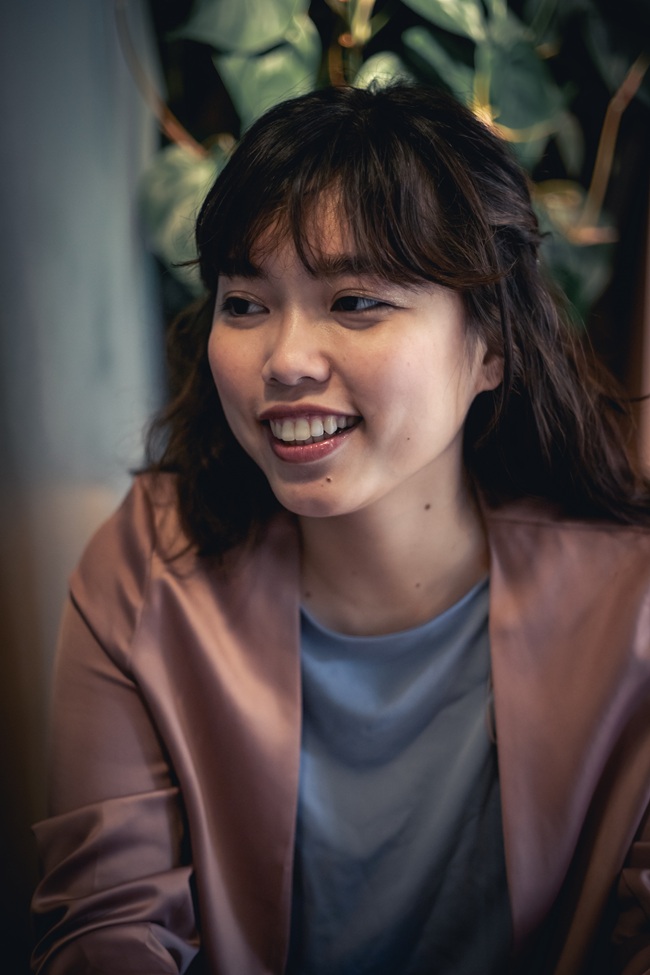
A Q&A interview with author Nadia Mikail
 Nadia is a lawyer in London, a full-time houseplant owner and a part-time investigative journalist into what London’s pigeons are planning when they flock together like that. She is mostly unsuccessful at (but still hopeful about) both these occupations. Her first novel for young adults, The Cats We Meet Along the Way, won the Waterstones Children’s Book Prize in 2023 and was shortlisted for the Branford Boase Award and the YA Book Prize.
She is from Sarawak in Malaysia, where the air is always sweeter, the food is always tastier, and the pigeons are considerably less bold.
Q1. This is your second novel, and you say that it was difficult to tell this story. When did you start thinking about it, and how did the idea come about?
In 2024 a memory came back to me, one rare occasion when it was raining heavily in London. It was real rain, a heavy storm, like during monsoon season in Malaysia, the thunder roaring and the sky pouring buckets. And the memory just came back to me so suddenly and vividly, of being eight and watching that same sort of thunderstorm, watching the river slowly burst its banks and curiously come for the kampung, for my house. Seeing that brown water rise, listening to my family call out… I wrote the first scene of A Flood of Memories based on that memory. I wrote the rest around it.
Q2. The plot deals very powerfully with domestic abuse, how hard was it to write about that for your readers and what considerations did you keep in mind?
Thank you for saying that! It was very difficult. I think one of the hardest things that I wanted to depict, without explicitly saying whether it was right or wrong, was the conflicted feelings of an abused child who has loved and will always love their parent. How does a young person even go about internalising that someone who adores you and takes care of you can also be bad for you? It’s something a lot of people have very complex difficult thoughts about, and for a kid, for a teenager, it can often cause terrible guilt and anger and confusion and denial.
The second thing is that I wanted to depict a very specific type of abuse – a kind that might not, or might not usually, manifest itself into a physical, obvious kind, but the kind of emotional abuse that includes control, manipulation, humiliation, isolation. The kind that makes it even harder for a child to understand.
So I wanted to be very careful and responsible telling this story, but I always wanted to keep in mind I wanted to be as truthful to and trusting of my reader as possible. That I can trust them to understand these feelings might exist – that you can still love and miss a parent that harms you – but that ultimately, you need to do the best thing for yourself and your future.
Q3. The story is about coming to terms with the past, a theme of The Cats We Meet Along the Way too. What draws you to stories that look back and ahead?
A major theme in therapy for me is my therapist constantly telling me that we are shaped by how we grew up, by the people who raised us. That a lot of things we don’t understand about ourselves now are because of things we might not even remember when we were younger but have affected us so much. I think it’s important to think back and be kind to how we remember ourselves as children, and use that as impetus to look forward and be better.
Q4. Climate change and its dangers are a key part of the novel too. How much does that matter to you?
Hugely. The heatwave has sent my cats into heat stress this week. The floods keep coming. Intense and increased droughts affect people all over the world. It’s all connected, and it’s all about to get worse, and I don’t want to just be a fearmonger, but it’s something we all need to vote about, protest about, look after each other during – we’ll need communities now more than ever!
Q5. A Flood of Memories is also a delicate love story. How much do you enjoy writing about romantic love?
I love it so much! I think my next book should be just straight up romance. I love love.
Q6. What was the hardest aspect of writing this book and are there some aspects of writing the second book that you found easier?
The hardest was definitely trying to depict the abuse in this book in the most thoughtful, responsible way possible. The easier aspect was going back and forth with my wonder of an editor, Bella – with the first book I was a bit shy, I didn’t know what I could or couldn’t ask – this time it was definitely easier to communicate. I was also much more disciplined this second book – I took better care of myself when writing, which I think helped a lot with general wellbeing. The first time around I wrote through the nights and felt awful throughout the process!
Q7. Now that the book is finished and published, what are you most proud of in this novel?
That it’s finally finished. There was a four-year wait between this and my first one…
And I am proud that there might be some young people, or adults, who will read it and finally have words for the awful, wriggling, feeling they couldn’t really put into words about the circumstances they’re in, or how they grew up. I hope it helps give them a bit of strength to keep surviving, and I hope it makes them feel less alone.
Q8. Do you go straight from one book to thinking about the next? Or will you take some time to enjoy this one being on the shelves?
I took a long time after my first book, The Cats We Meet Along the Way, to enjoy the feeling of finally becoming an author, but I also had a lot of worry to overcome about following it up! I’ve had a lot of ideas for the next one this time. I’m definitely thinking about it. A romance… perhaps a supernatural one with a twist and lots of looking back!
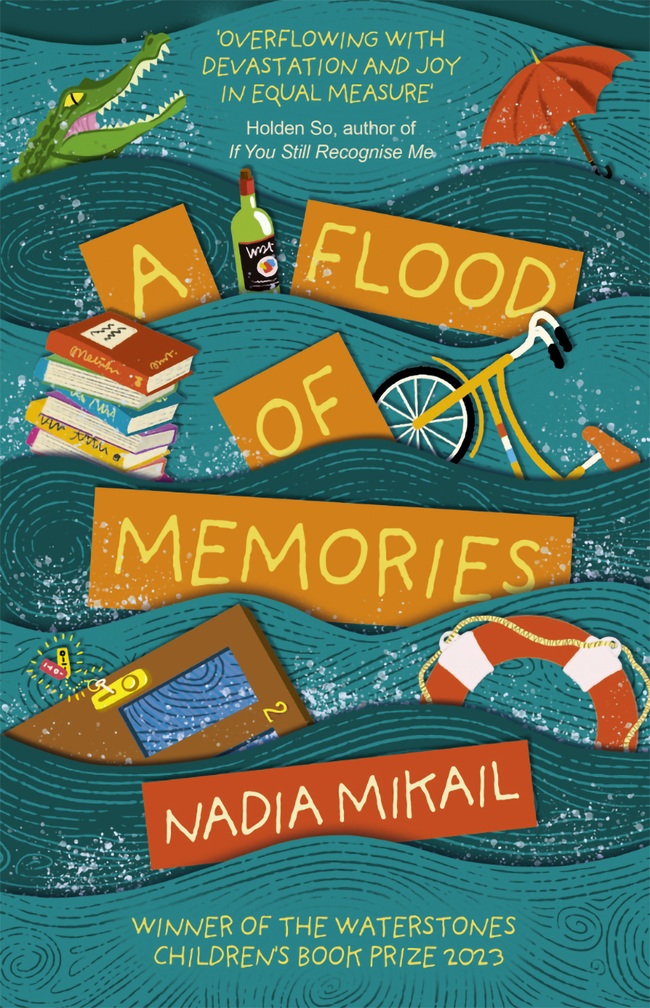
A Flood of Memories by Nadia Mikail is published by Guppy Books, 978-1916558748, £8.99 pbk.


