
Happy New Year? What does 2026 have in store?
As 2025 trudges away into the distance and the new National Year of Reading dawns, we asked key people in the children’s book world to tell us what they are hoping for from 2026, and what they are most excited about in their own organisations. Here’s what they said.
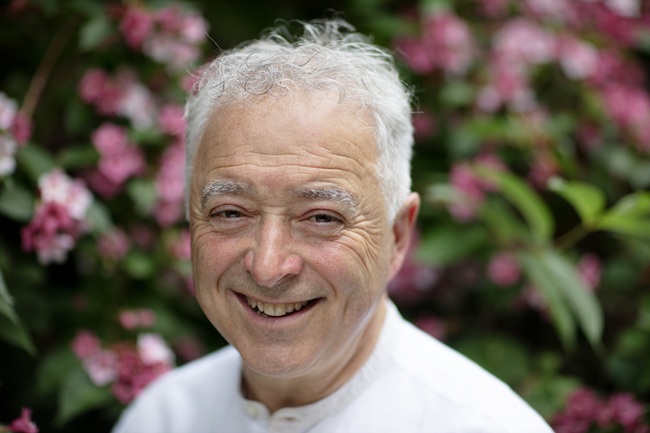 Waterstone’s Children’s Laureate, Frank Cottrell-Boyce: I’m very interested in the fact that people who were born after 2010 – the Bluey generation (Gen Alpha if you really must) are noticeably less engaged by social media and the online world that their immediate elders – the Sponge Bob generation (Gen Z as it were). The optimistic part of me hopes that this means that the cohort that will have to deal with the unknown consequences of A.I. are already more critical about the digital world. And maybe looking for the connection with reality that perhaps they lost during COVID. One of the young people in my life has just acquired a portable DVD player and raided the shelves of DVDs that everyone told me to clear. At a time when everything – and the pace of everything – feels overwhelming, when even the News is turning into a fully immersive experience – then the value of books as a fully unplugged form of entertainment, in which you are totally in control of the speed of the input – is surely appealing. I hope they recover it. Conversations about the decline in reading always default to talk about young people. If adults love football, their kids will love football. If adults scroll – and boy do adults scroll – their kids will scroll. If adults model good reading habits, they may yes save the World.
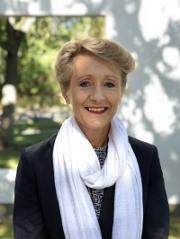
Teresa Cremin
Professor Teresa Cremin, the Open University: 2026 heralds our third national year of reading and I’m looking forward to joining colleagues in this collaborative endeavour, and, drawing on our research, highlighting the social nature of reading. The OU team have ongoing UK studies on the social motivation to read and the role of talk in reading for pleasure and I’ll also be exploring social reading spaces online through work in Australia and their potential use in school.
Across this frenetically busy year, with myriad opportunities offered to teachers, parents, children and young people, I hope there will be time for everyone to reflect on what counts as reading, to consider what it really means to be a reader and to revisit the power of literature. Research makes clear that narrative matters and that literature has a particular potency for volitional reading (Torppa et al., 2020). As Barbara Hardy (1977) wrote ‘narrative is a primary act of mind- transferred to art from life.’ We think through story and connect to our own and others’ worlds through story.
So, I’m also hoping that nationally adults and children find stories that resonate and take the time to share these – to blether about them. Wouldn’t it be wonderful if society experienced a renewed sense of relational connection through talking about texts together?
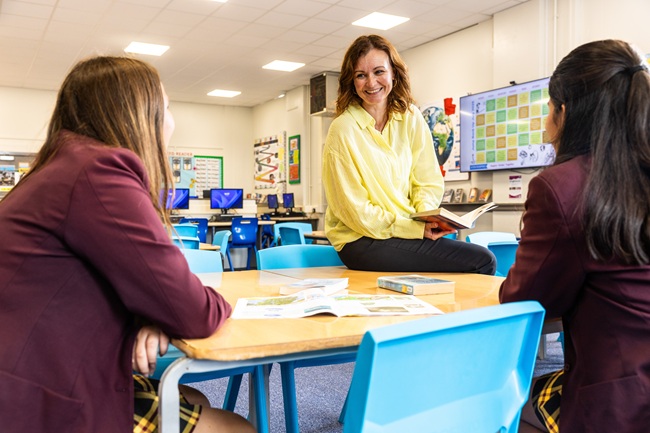 Victoria Dilly, CEO of the School Library Association: As the National Year of Reading gets into full swing, I think that we will see more awareness of the importance of school libraries and school librarians, with a growing understanding of the role they can play as antidotes to the decline in children and young people’s reading engagement. As school librarians lead the charge for the Campaign in their school communities, the importance of book talk and reading clubs in schools will come to the fore, and we will be talking about the enormous impact a reading role model can make on a child’s reading habits, and the power of getting the right book into the hands of a young person at the right time. As school communities come together through reading, senior leaders will see first-hand the impact school libraries can have on children and young people.
Considering book trends: books that give children the opportunity to simply engage with the joy of reading through humour, exciting adventures and fun will be important. I think we’ll continue to see the rise in popularity of graphic novels and beautifully illustrated fiction, as well as a renewed focus on accessible fiction, like the excellent dyslexia-friendly novels published by Barrington Stoke. School librarians know the difference these titles can make in building confidence, establishing reading as an enjoyable activity and offering independence and choice to all readers – I hope this knowledge will continue to spread throughout 2026.
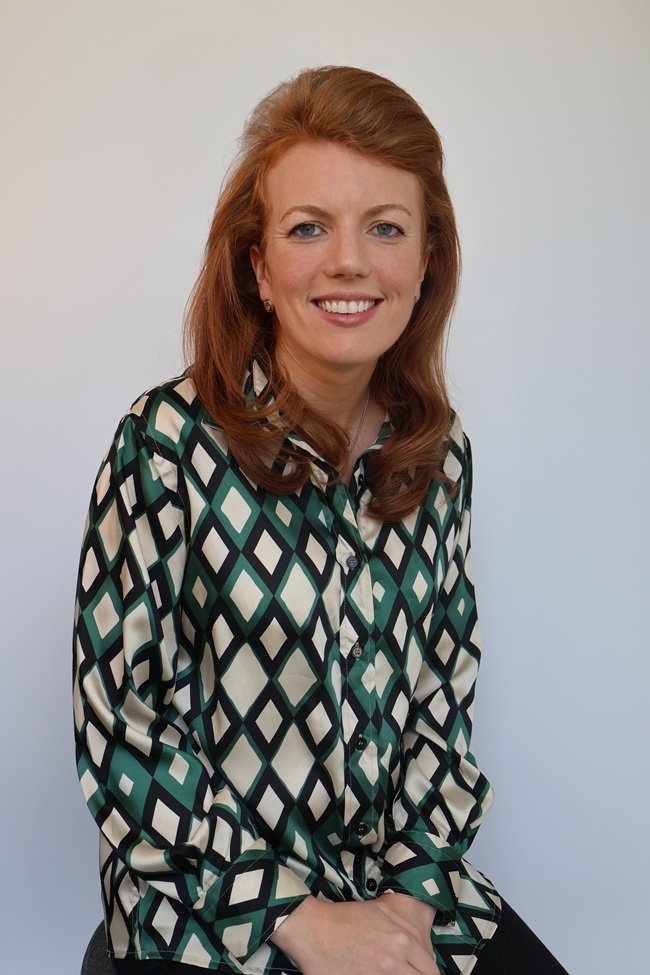 Emily Jack, CEO, Bookmark Reading Charity: For Bookmark Reading Charity, 2026 feels like a year of opportunity with the government-backed National Year of Reading wanting the nation to get involved, and it also allows us to shine a spotlight on our work too. We’ll be building on our core mission: ensuring every child has the literacy support they need to thrive. This will involve expanding our One-to-one volunteer-led reading programmes into more disadvantaged schools alongside our other nine literacy programmes. We can do this by recruiting more volunteers to read with children, alongside continuing to use evidence and insight to show what really helps children catch up and fall in love with reading.
We improve children’s literacy by promoting a reading for pleasure culture in primary schools, with a focus on supporting children in the most disadvantaged communities.
Looking more broadly at the children’s literacy landscape, I think the agenda for 2026 will continue to focus on inclusion, access and relevance. Ensuring that all children can see themselves reflected in books, and can easily access high-quality, engaging reading materials, remains vital. We need to keep championing reading for pleasure, especially at a time when there are so many competing pressures on children’s attention and digital distractions too. These all make the ever-widening attainment gaps between disadvantaged children and their wealthier peers very real concerns.
I’m hopeful the National Year of Reading will spark a genuine national conversation about the value of reading, not just as a skill but as a source of joy, confidence and connection. Most of all, I hope it leads to lasting change for the children who need it most.
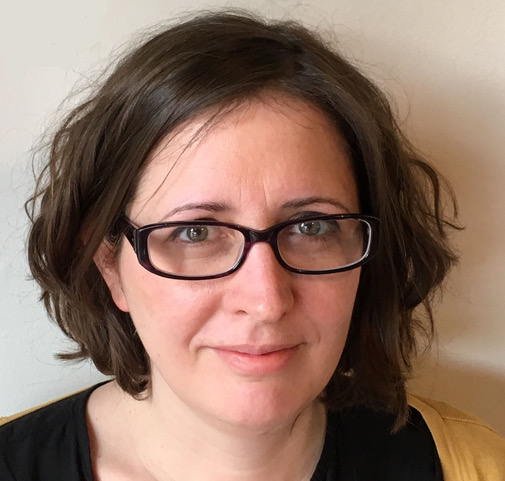 Beth Cox, Inclusion and Equality Consultant: In 2026, I truly hope to see a renewed and sustained investment in inclusion across children’s publishing, not just in the content of books, but in the people, processes and structures that shape them. The National Year of Reading offers a timely opportunity to ensure that the books we encourage children to read truly reflect the breadth of their lives and experiences.
We are currently awaiting confirmation of funding for phase three of Reflecting Disability, which would allow us to carry out in-depth analysis and reporting on the 400+ eligible books submitted to the first round of the survey. While funding allocation isn’t guaranteed, oversight of the reviews, anecdotal observations, and the bookshelves full of submissions have already given me valuable insight into where the sector is, the progress that has been made, and what still needs to be done.
There has undoubtedly been significant progress in the range of disability representation appearing in children’s books. However, alongside this, we continue to see inauthentic portrayals, embedded ableism and misrepresentation that could often be avoided. This suggests not a lack of good intentions, but gaps in knowledge and support. A reminder that in this area especially, we don’t know what we don’t know.
If we are to see lasting change, publishing’s infrastructure needs to evolve. There needs to be long-term strategic investment not just in training staff and outsourcing for lived-experience insight, but in providing meaningful, in-depth support throughout the creative process. Only when inclusion is embedded early and consistently will it stop being something that leaves creative teams second-guessing themselves and fearing mistakes, and instead become an opportunity to deepen, strengthen and expand creative work.
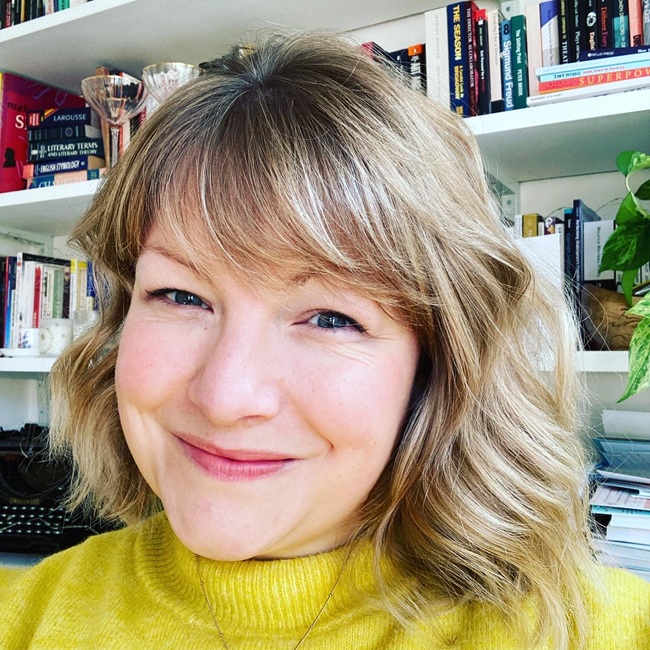 Imogen Bond, Managing Director, Empathy Lab: At EmpathyLab our goal is to get 1 million children and young people jumping into someone else’s story during the free Empathy Day Festival in June, through brilliant authors and illustrators sharing the empathy message at family events, and our Schools Programme which embeds empathy as a core value, practiced through reading. We’ll be highlighting compelling new research demonstrating the tightly intertwined nature of reading engagement, ability and empathy development – suggesting an empathy focus could help reverse the decline in reading for pleasure.
I want children and young people to be setting the agenda, making it their National Year of Reading with stories in all forms visible – time to let go of what ‘counts’ as reading and celebrate the diversity of story enjoyment, for everyone and everywhere.
I hope this is the year we all champion reading as a way to connect – to ourselves, each other and the world. With so much division we need to supercharge our human connections and stories are a brilliant way to do that. I hope the National Year of Reading is a joyful catalyst which fundamentally changes how we value reading, trusting that if we concentrate on how it connects us, literacy skill will flourish too. Let’s go all in for connection!
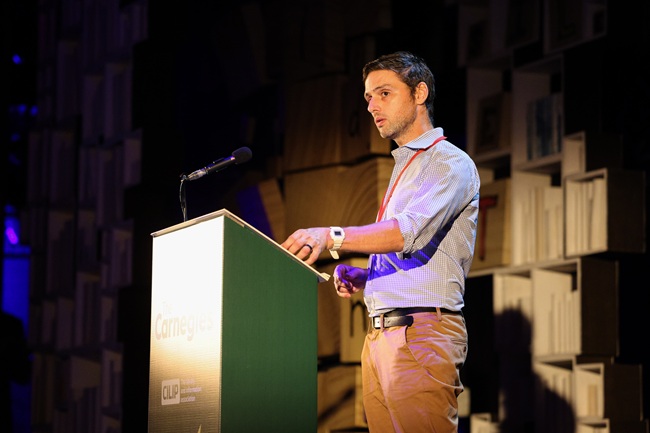
Photographed by Beth Prodger for The Carnegie Awards.
©Beth Prodger
Louis Coiffait-Gunn, Chief Executive CILIP: It’s fantastic to have another National Year of Reading to look forward to. CILIP and our members are proud to ‘Go All In’ behind it in 2026. Our expert members in school libraries, public libraries, School Library Services and elsewhere know how to curate an inclusive and engaging collection, create a welcome space, and achieve the most impact with available resources. There’s currently a postcode lottery of library provision, and any tangible support the Year provides them with will grow their positive impact, especially with the hardest-to-reach readers.
The £15m from government for school libraries is welcome and librarians are uniquely able to increase the return on that investment. It’s bizarre that the Department for Education still doesn’t gather basic data about school library provision and that they’re not statutory, unlike public and prison libraries. Meanwhile in Sweden, school libraries and librarians are every child’s right and that is something we’ll continue pushing for in 2026.
This year is the start of CILIP’s new five-year strategy, Empowering Impact. That includes our new Intellectual Freedom Committee to fight censorship and book bans, another fantastic year of our children’s book awards The Carnegies, and new Super Searchers information and media literacy training with Google. 2026 is the year to reimagine reading, and librarians’ unique role sharing its life-changing magic.
 Marion Deuchars, illustrator, author and Royal Designer for Industry, and Trustee at Quentin Blake Centre for Illustration: This year feels especially exciting for all of us at the Quentin Blake Centre for Illustration. After many years of planning and preparation, we will finally open our doors in May. Set within the grounds of an 18th century waterworks in Clerkenwell, London the Centre will be the UK’s only permanent space dedicated to illustration. It will welcome around 100,000 visitors each year to its galleries, learning studio, illustration library, café, shop and gardens.
We are looking forward to sharing the wonder of illustration and creating a place where people can come to look, to learn, to make and to enjoy it in all its forms.
Illustration is fundamental to how we understand the world. We often respond to images before we use words. Pictures help us feel, imagine and make sense of things, but they also invite curiosity, suggest possibilities, and spark ideas of our own. Images ask us to slow down and pay attention, which feels increasingly important. From picture books and editorial illustration to animation, graphic storytelling, and digital media, illustration is one of the main ways ideas are shared, explored and brought to life.
Much of my own work has been about encouraging people, especially children, to draw, make, and engage with books and images without fear. This creates a real opportunity to give attention to visual literacy, and how images and stories working together can surprise us, move us and stay with us.
With the National Year of Reading ahead, I’m interested in how pictures might help more young people discover reading as a way of seeing, and how stories can open up new, exciting ways of looking at the world.
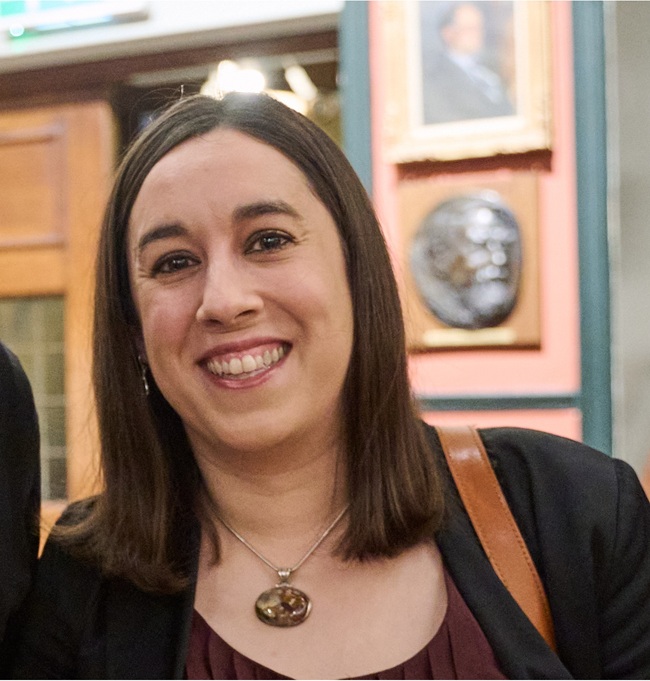
National Poetry Competition 2025
Natasha Ryan, Education Co-Ordinator, The Poetry Society: At The Poetry Society, we’re looking forward to a busy year ahead, full of events including our Free Verse Poetry Book Fair in April, Young Poets Network collaborations with Plymouth Poetry Festival and Verve Poetry Festival in Birmingham in the spring, and our usual schedule of competitions and publications, including the Foyle Young Poets Award. For the National Year of Reading, we’re commissioning young poets to create peer-led resources, which will shine a spotlight on our suite of anthologies featuring winning poems from the Foyle Young Poets Award. We’re also launching a teachers’ reading group, creating a shared space where educators can rediscover the joy of reading poetry communally. We’re looking forward to the National Poetry Library’s celebration of 75 years since the opening of the Southbank Centre, which includes the ‘Poet in Every Port’ project, as well as to National Poetry Day in October. There will be a passing of the baton as Frank Cottrell-Boyce’s tenure as Children’s Laureate comes to a close, and we’ll also be looking forward to hearing about how the new Children’s Laureates for Wales – Nicola Davies and Siôn Tomos Owen – will encourage children to read and get creative.
 Pam Dix, chair of IBBY UK: With my personal interest on the non-fiction area of children’s publishing, I hope that we will continue to see books on the forgotten parts of history, on previously untold stories. David Olusoga said recently at a talk that that British black history is only just beginning to be told in books. I hope he is right and that there will be more published on this during the year.
I am looking forward to the launch of Ken Wilson Max’s new book The Big Green (Otter Barry, 2026) which is set in sub-Saharan Africa and tells the story of a real-life environmental project. Ken talks so powerfully about the need to hear the voices from Africa telling their own stories and I hope that this will be the first of many.
On the same point, I am very pleased to have discovered two Australian publishers doing the same. Magabala Books is dedicated to producing works that celebrate indigenous cultures and the result is a wonderful collection of high quality, really well illustrated books. The Indigenous Literacy Foundation (ILF), winners of the Astrid Lindgren Memorial Prize in 2024, has recently shared with me some examples of their community language publishing programme. These are books that have been written with indigenous communities and capture voices and views that have not been seen in written form before.
IBBY and UNESCO are collaborating on a new project on Indigenous and Endangered languages. The call for submissions has just closed and details of the project will be announced at the IBBY Congress in Canada in August. It is exciting to think what books might emerge from this. I think 2026 is a year when we will all become more award of books in indigenous languages.
In IBBY UK we are very pleased to be working in Wales. It has been a number of years since Wales was actively involved with IBBY. For the first time we have submitted two books in Welsh for the 2026 IBBY Honour list and look forward to collaborating with Nicola Davies, the Welsh laureate, to promote the work of IBBY.
I hope that the National Year of Reading will continue as it has started, on Radio 4 at least, to bring more focus on children’s books. I would like to see increased coverage of reviewing of children’s books in mainstream media and I would like to see some hard research on the impact of reading in different media on the brain. It goes without saying that I would love to see children’s public libraries and school libraries have a more stable financial basis.
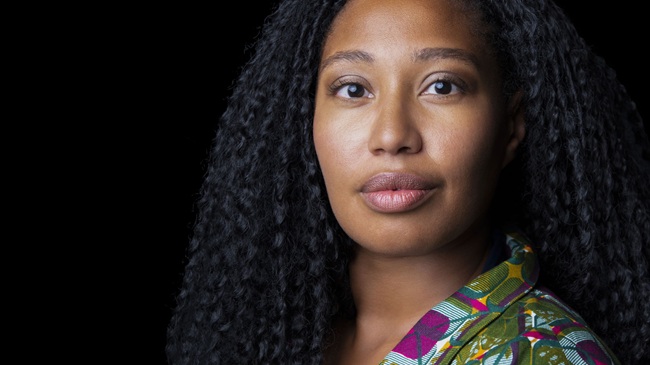 Jasmine Richards, author and founder of Storymix, the multi-award fiction studio and micro-publisher Storymix Books: In 2026, I think children’s books will pull in two directions – tales of comfort and tales of survival. When the world feels unstable, readers reach for stories that soothe and for stories that show resilience but also resistance to power structures that harm. Both are a way of making sense of the chaos.
So in terms of my predictions for 2026 – we will see books coming through that focus on coziness, and books that focus on the disruption of corrosive control. Storymix is collaborating with a major publisher on a YA dystopian novel that is really going to get readers thinking about who suffers and who thrives in a world that does not look so different from our own [title still to be announced]. And our teen title with Usborne: Princess (Apparently) by Siren Knight is on the surface a summer romance but beneath explores ideas of identity, and also how Small Island Developing States can stand up to big corporations and political machinations.
I think the industry will also continue to see a focus on seasonal titles – as the hook feels very obvious and that hook is necessary in such a tight market. There was a lot of love for our cosy festive title The Other Father Christmas which came out in Nov 2025 and there will be more of this kind of publishing.
I’m thrilled to be a Trustee of the National Literacy Trust as the National Year of Reading begins. Reading has often been framed as something children ought to do but this year is about recasting it as something they choose to do because it feels relevant to them. I hope as well that the ‘Go All In’ conversation will also rekindle a love of reading for many adults because I feel this is key to children reading – them seeing the adults in their lives reading as well.
I predicted last year that the backslide around the acquisition and promotion of ‘diverse’ books would continue. I will predict that again this year but with a hope that this sliding will slow down. We lost some really important indie publishers last year who were championing inclusion. If you have a budget – please support those organizations that are doing the work because otherwise we will lose them.
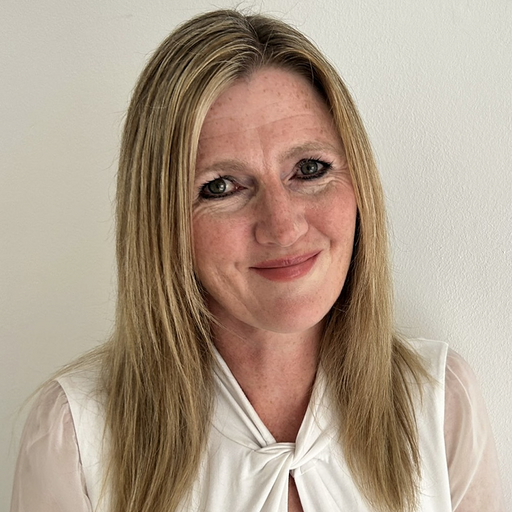 Kate Paradine CEO Voice 21: The National Year of Reading coincides with the launch of Voice 21’s new 2026-2030 strategy. It is our vision that every child benefits from a high-quality oracy education, which enables them to use their voice to thrive in school, work and life.
Oracy is a foundational skill set and many of the skills inherent to reading are nurtured through talk. Attending to children’s early spoken language development is a stepping stone towards building reading proficiency later on.
We also know that when oracy is prioritised, it supports progress in reading at the primary to secondary transition[1]. Oral language is a powerful vehicle for learning new words. Listening to new language and contextualising it through speech enables children to read it, write it and use it as part of their linguistic repertoire.
Oracy is a transformative tool at every teacher’s disposal. Through discussion about reading, students clarify thinking, learn from others’ perspectives and deepen their understanding. Through performance and presentational talk, students develop empathy, build confidence and elevate their ideas.
Recent reviews, including the Oracy Education Commission[2] and the Curriculum and Assessment Review[3], have highlighted the importance of oracy (speaking, listening and communication[4]). At Voice 21, we see this wider recognition as an exciting opportunity to elevate all children’s experiences and enjoyment of reading
We hope that this National Year of Reading inspires schools across the country to experiment with oracy in the classroom and to bring reading for pleasure to life for their students.
Do you have predictions and news to add? Email us at enquiries@booksforkeeps.co.uk and we will share them.
[1] Voice 21 (2023). Voicing Vocabulary: Establishing and evaluating an oracy-centred approach to vocabulary development. 2021-23.
[2] Oracy Education Commission (2024). We need to talk. Commission on the Future of Oracy Education in England.
[3] Department for Education (2025). Curriculum and Assessment Review: Building a world-class curriculum for all.
[4] Oracy Education Commission (2024)


