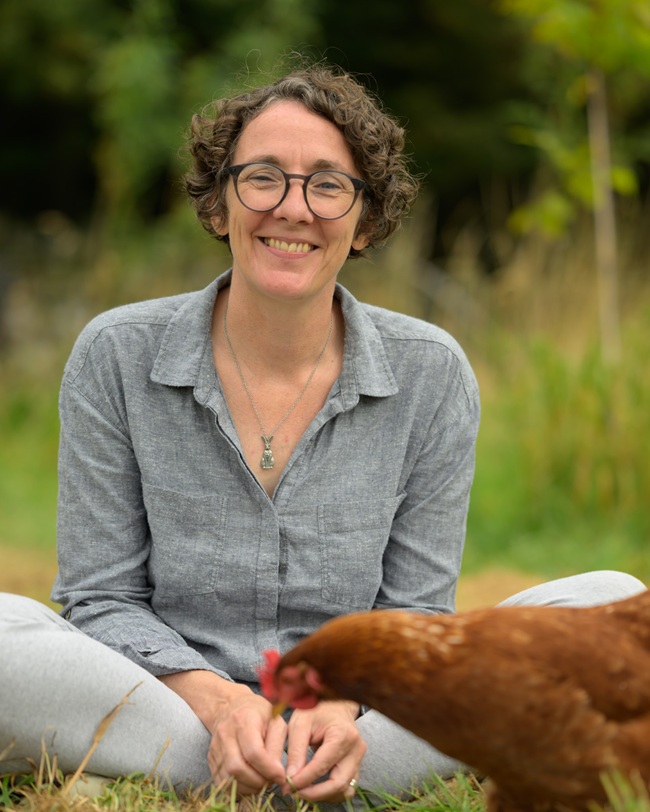
A Q&A interview with Sophie Anderson
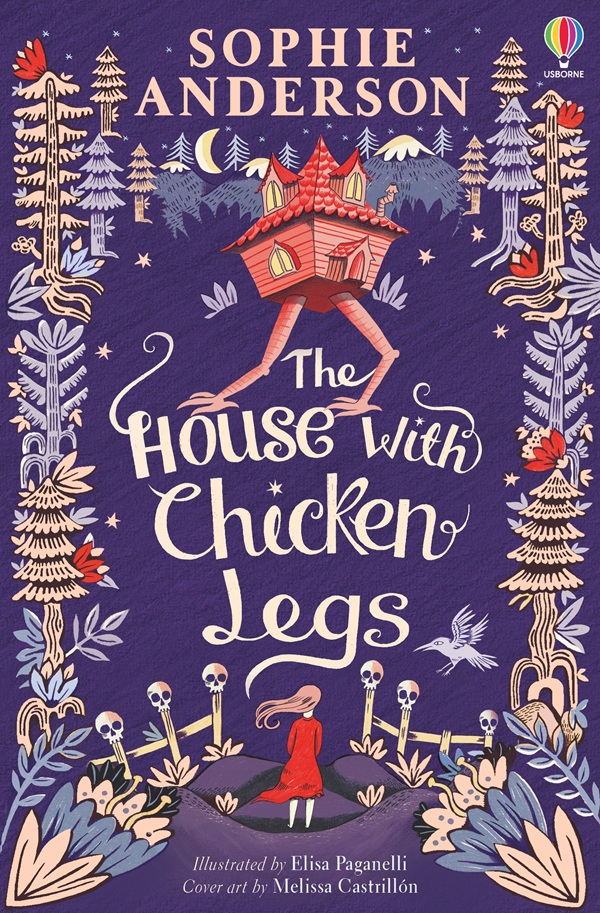
Sophie Anderson’s debut novel, The House with Chicken Legs, was published in 2018, winning her prize nominations, international deals and a huge following among readers young and old. Now she has written a sequel, The House with Chicken Legs Runs Away. Sophie answers our questions about the new book and returning to the world of Marinka, Baba Yaga and The House.
The House with Chicken Legs came out in 2018. What drew you to return to Marinka and her world, why did you want to do it now?
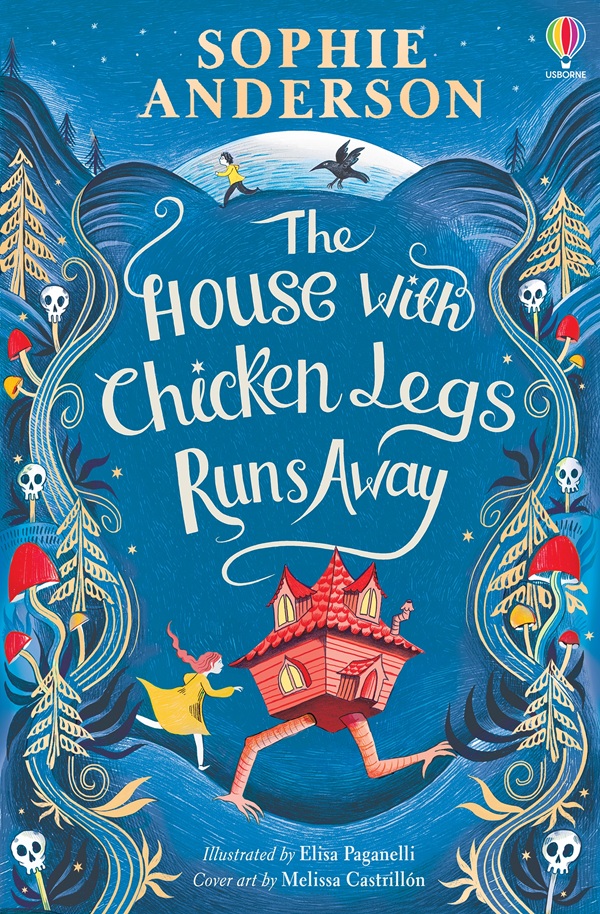 Marinka and House are characters who have stayed with me. Since 2018, I’ve thought about them often, had many wonderful conversations about them, and they have even slipped into a couple of my other books for fleeting appearances. Their lives and their world have continued to grow in my mind, along with my understanding of them, and I eventually felt there was another story that it would be good to explore with them. It is something that I couldn’t have written eight years ago, and I believe it develops and deepens the themes of the first book in worthwhile ways.
The House with Chicken Legs means a great deal to many readers, so I felt a huge sense of responsibility to create something that would stand alongside it, on its own chicken feet, and hopefully be loved just as much.
What was it like to go back to that world? Did anything surprise you?
Once I had settled on the emotional arc of the characters and the key plot points, it was enormous fun to go back into that world, widen the Yaga lore and incorporate new elements of Slavic folklore. Some of the ideas and characters in The House with Chicken Legs Runs Away have existed in my mind since writing the first book, but there was no need for them in that story so it was incredible to finally give them space. The origin story of the house is revealed, for example, along with some its life history, and Marinka and Benjamin get to fly in a mortar and pestle – something that Baba Yaga does in the old folk tales.
You’ve been a writer now for a decade, how do you think your writing style has developed in that time? Are there things you would do differently in The House with Chicken Legs if you were writing it today? (there may not be!)
Over the last decade, I’ve learned so much from my agent and editors. I’m much more confident crafting stories, creating character arcs, weaving themes into plots, actively controlling pace and choosing effective chapter breaks, just to name a few things!
The first draft of The House with Chicken Legs needed so much work, I’ll always be immensely grateful to my agent and editors for taking it on and helping me shape it into the book that was published. There is lots I would do differently if I was writing it today, but thankfully back then I did have this incredible guidance and support to help me through the process and ultimately I’m proud of what we created together.
You’ve talked about the importance of including hope in your books. Is that even more important today, when the world might seem even more dangerous than when you were first published?
My feelings about hope have evolved somewhat, especially as a result of some interesting conversations with writer and friend Adam Ferner, who has written thoughtfully on this subject.
It’s not always easy to feel hope, especially around some of the problems the world is facing today, and I think it’s important to be honest about that. When hope feels out of reach, what might be more of a comfort is the idea that we all have power and we are all able to make a difference, even in what feels like a hopeless situation. I don’t want to give spoilers, but the end of The House with Chicken Legs Runs Away includes such a situation.
Adam Ferner wrote, ‘Hope is not a necessary condition for kindness, for humanity, for love, or for care.’ I think this touches on an important truth and if, in children’s books, we can show kindness, humanity, love and care, then perhaps that is more important than always including hope…and perhaps for some us, hope will be found nestled in that kindness anyway!
How much do old stories – Yaga or others – comfort you and what else do they provide, for you and young readers?
 Traditional folk and fairy tales captivate me, spark my imagination, challenge me, encourage me to think deeply and critically, and offer me guidance and comfort. I love how these short and seemingly simple tales are also vast and rich, containing so much about what it means to be human.
These stories offer a great deal to young readers too. They enchant and entertain, are a safe space to explore big ideas, and can give children the language and means to work through complicated thoughts and feelings. Stories, I believe, are a vital part of understanding the world and ourselves, and fairy tales in particular can be especially powerful because they invite young readers into a playground of story. They give us agency in a unique and remarkable way, because although the stories are ancient, solid and lasting, they are also fluid, flexible and ever-changing.
Sometimes Little Red Riding Hood is gobbled up by the wolf, sometimes she is saved by a woodcutter, and sometimes she saves herself… and, if none of these endings feels quite right, children can create their own versions, where Little Red and the wolf become something else entirely. This holds an empowering message; that we can change and shape the stories we tell, and in doing so, we change and shape ourselves, society and the world.
It’s the National Year of Reading, what is your advice to people concerned that children are not reading enough?
My advice would be to research and consider what action they could take. There are so many amazing initiatives to encourage and lift reading, and plenty to get involved with. I am lucky that I get to go into schools and see some of the incredible work being done. I can talk to young people about the books they love, suggest books that that might love, listen to their thoughts and recommendations, and engage in meaningful conversation about reading and books, and it’s always exciting to hear and see how young people are enjoying and benefitting from reading.
What action could you take as a teacher/parent/relative/neighbour/friend? Can you talk to the young people in your life about books and reading, show excitement, share what you love? Could you be a volunteer reader in a school? How could you support your local library? We can all make a positive difference, help grow a reading culture and nurture a love of reading.
The House with Chicken Legs Runs Away by Sophie Anderson is published by Usborne, 978-1803704364, £8.99 pbk.
Sophie Anderson is the subject of this Authorgraph interview.


